
A year in the life of an editor
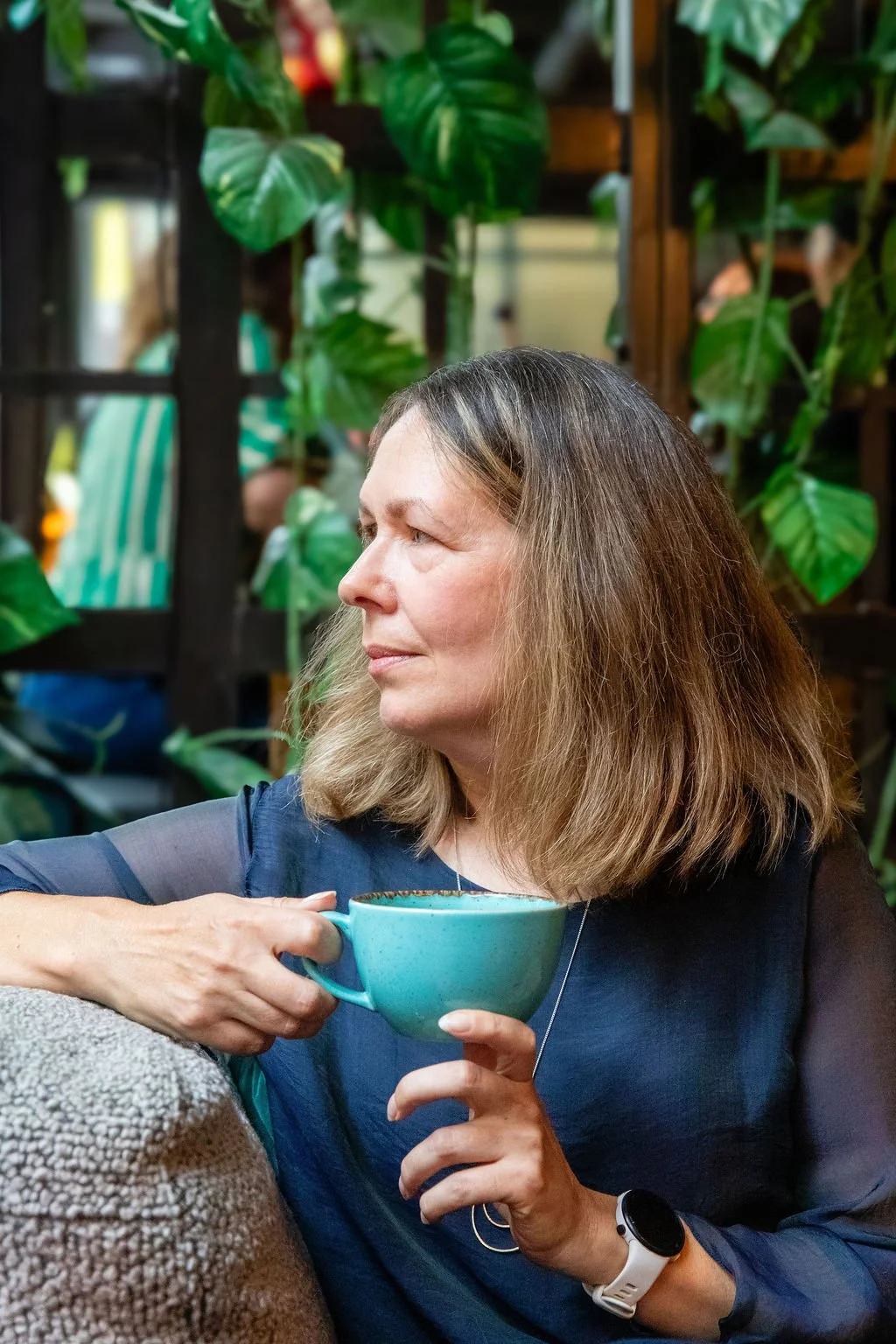
Reflective mood captured by With Passion and Purpose
I started my freelance editorial journey in 2014. There have been so many changes in the profession in the past decade, but the fundamental reasons I love my job remain the same:
I work with wonderful people
I learn new things every day
I enjoy variety in my projects
In my very first blog post, I’ll be looking back at my business data for 2025 and sharing what goes on in my editorial world. I hope this will provide a brief insight into the different ways an editor can help you.
Numbers
Due to my own research and writing commitments, I worked fewer hours in my business in 2025. Inevitably, this had an impact on the number of projects I could take on, but it was still a productive year.
702,533 total words edited
4 books
12 book chapters or journal articles
5 PhD theses
3 other student projects
6 miscellaneous projects (book proposals, conference papers, art exhibition guides)
2 indexes
1 workshop (on academic publishing)
Topics
By and large, I worked in four core areas last year: business studies, education, the humanities, and social sciences. The key topics included:
Legal sovereignty | Environment and the law | COVID-19 and the law
English Language Teaching (ELT / EFL) | Teacher training | Critical thinking in education
Systems thinking | Mobile commerce
Securitization | Political discourse | Media studies
Philosophy | The ‘commons’
Contemporary art
Eighteenth-century history | Textile histories | Victorian studies
Shakespeare studies | Eighteenth-century literature (women writers) | Modern feminist literature
Gardening
Physiotherapy
Services
I’ve noticed a definite shift in my work patterns this year, with a move away from ‘straightforward’ proofreading and editing. Instead, there’s been a demand from authors for more comprehensive services involving coaching and writing support – especially for first-time authors. Despite this trend, I still delivered a wide range of services:
Coaching: Helping with issues around writing, planning, productivity, scheduling work, navigating the publishing process, and meeting submission deadlines.
Developmental editing: Deep structural work to enhance the overall shape and narrative of articles, chapters, and books.
Line editing: Detailed sentence-level edits to refine language and improve clarity (for English-speaking authors and those writing in English as a second language).
Copyediting: Preparing texts for publication (ensuring consistency and compliance with style guides and referencing systems).
Proofreading: Final quality check for errors (e.g., grammar, syntax, spelling, layout).
Indexing services: creating a new index and editing an author’s own draft index.
The overall mood
2025 has been a challenging year for editors, especially for those working in the academic sector where the volume of work has dropped and pay is usually very low. Authors have also faced difficulties (especially, it would seem, in traditional publishing in the non-fiction arena). I feel very fortunate to have been able to work to my full capacity and help some incredible writers achieve their goals.
Looking back over the past twelve months, I’ve especially enjoyed my relationships with other editors, authors, and academics, as well as business and marketing professionals. It has been an absolute joy to work and collaborate with so many talented people from different backgrounds, and I’ve learned so much along the way.
In particular, I’m indebted to the editing community who are especially generous in sharing their skills and knowledge. On that note, if you’ve never worked with an editor before, it's definitely worth looking for one in 2026. We are brilliant cheerleaders and supporters of your work. The process can be transformative in ways you may not have imagined, on and off the page.
Looking forward to 2026
In a world that feels increasingly dominated by AI technologies, I believe that my work will continue to shift towards human-centred activities in 2026. Human editing at its best is a creative, collaborative, and intellectual process that serves the author – simultaneously protecting and enhancing their voice. Therefore, in the coming year, I will be formally launching new services and free guides to support authors. For greater transparency, I’ll also be introducing price ranges on my website for the first time and clarifying why I don’t use AI in any of my editing practices.
Wishing you all peace, joy, and creativity in the year ahead.
***
To keep up to date with my blog posts, and be the first to hear about guides and resources, why not sign up to my newsletter? Thank you!
Publication date: 12 January 2026